

Quick answer
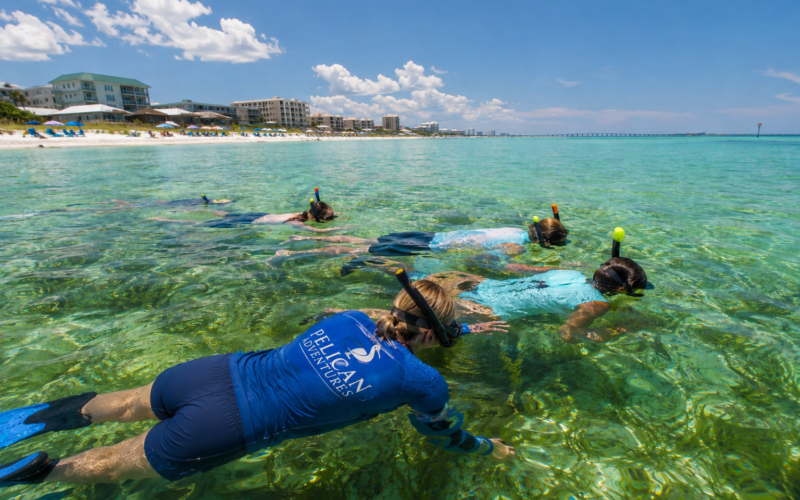
Snorkeling Destin jetties is free via O'Steen Public Beach Access on Gulf Shore Drive, with optimal conditions during slack high tide between 06:00 and 10:00 when visibility peaks and currents weaken. The east jetty offers calmer water and clearer sightlines for beginners, while the west jetty presents stronger currents and deeper drop-offs suited to experienced snorkelers who can manage tidal flows.
The East Pass jetties extend nearly half a mile into the Gulf, their granite blocks creating vertical relief that concentrates baitfish, reef species, and the predators that follow them. Underwater visibility fluctuates dramatically with tidal phase—slack high tide delivers 15 to 25 feet of clarity as suspended sediment settles, while ebb currents churn the water column and reduce sightlines to under six feet. Most snorkelers enter from the sand adjacent to the east jetty, where shallow staging areas allow gradual entry before swimming toward the rock structure. Marine life stratifies by depth and current exposure. The nearshore zones within 50 yards of the beach hold juvenile snapper, pinfish, and Spanish sardines over sand and scattered rubble. Mid-jetty sections between 100 and 300 yards offshore support larger populations of sheepshead, spadefish, and occasional cobia cruising the granite faces. The seaward tips, where the jetties meet open Gulf water, attract pelagic species including mackerel and jacks, but currents here exceed two knots during tidal exchanges and require strong swimming ability to navigate safely. Snorkeling destin jetties demands attention to tidal timing and sea state. Spring tides amplify current velocity, while neap tides produce gentler flows better suited to exploration. Wind direction matters—southerly breezes flatten the Gulf side and improve conditions, while north winds create chop that degrades surface visibility. Summer months bring warmer water temperatures above 80°F and the highest marine biodiversity, though afternoon thunderstorms build rapidly between June and September. Fall and spring offer cooler water in the mid-70s with fewer weather interruptions, and winter snorkeling remains feasible when air temperatures cooperate, though water temps drop into the low 60s. Access from O'Steen Beach requires no permits or fees, but the site offers limited infrastructure—no restrooms, showers, or equipment rentals on-site. Parking fills quickly on summer weekends, and the nearest facilities sit a quarter-mile east along Gulf Shore Drive. The jetty environment presents hazards absent from open-water snorkeling: barnacle-encrusted rocks cause lacerations, submerged gaps between blocks create entrapment risks, and boat traffic entering Destin Harbor passes within 100 yards of the jetty tips. Surface marker buoys and bright swim caps increase visibility to vessel operators navigating the channel.
“Slack high tide delivers 15 to 25 feet of clarity as suspended sediment settles, while ebb currents churn the water column and reduce sightlines to under six feet.”
Optimal Timing for Snorkeling Destin Jetties
The best arrival window is 06:00–10:00, as optimal visibility and calmest currents occur during slack high tide and morning hours. Snorkeling during these times minimizes the impact of tidal flow, which can become strong as the tide shifts through the pass.
May to June
Moderate crowdsWarm water, 75°F–82°F
Visibility is high as summer water temperatures begin to rise steadily.
July to August
Heavy daily crowdsHot air, 85°F–90°F
Expect peak visitor numbers; prioritize early morning arrivals to secure space and clear conditions.
September to October
Low to moderate crowdsCooler water, 75°F–80°F
Reduced boat traffic in the pass often results in clearer water during these months.
Weekday mornings
Minimal crowds—
Slack high tide provides the safest and most transparent water for observing marine life.
Verdict: The optimal snorkeling experience is found on weekday mornings from 06:00–10:00 during the months of May, September, or October.
Essential Preparation for Snorkeling Destin Jetties
Snorkeling the jetties requires specialized gear and awareness of strong currents that demand careful preparation.
-
Pack a surface marker buoy — Currents can push you far from entry points and boats need to see you.
-
Bring a dive flag — Florida law requires divers to display a flag within 300 feet of their position.
-
Wear a full wetsuit or skin — Rocks and barnacles on the jetty structure cause painful scrapes.
-
Confirm current and tide tables — Strong outgoing currents make swimming back to shore extremely difficult.
-
Carry reef-safe sunscreen only — Chemical sunscreens damage the marine ecosystem around the jetties.
-
Inspect all snorkel gear seals — Equipment failure in current-heavy areas creates dangerous situations quickly.
Exploring Areas Near Snorkeling Destin Jetties
The Destin Jetties are situated at the entrance of the East Pass, placing you in close proximity to several local landmarks. These locations offer additional opportunities to explore the harbor area once you finish your time in the water.
Norriego Point
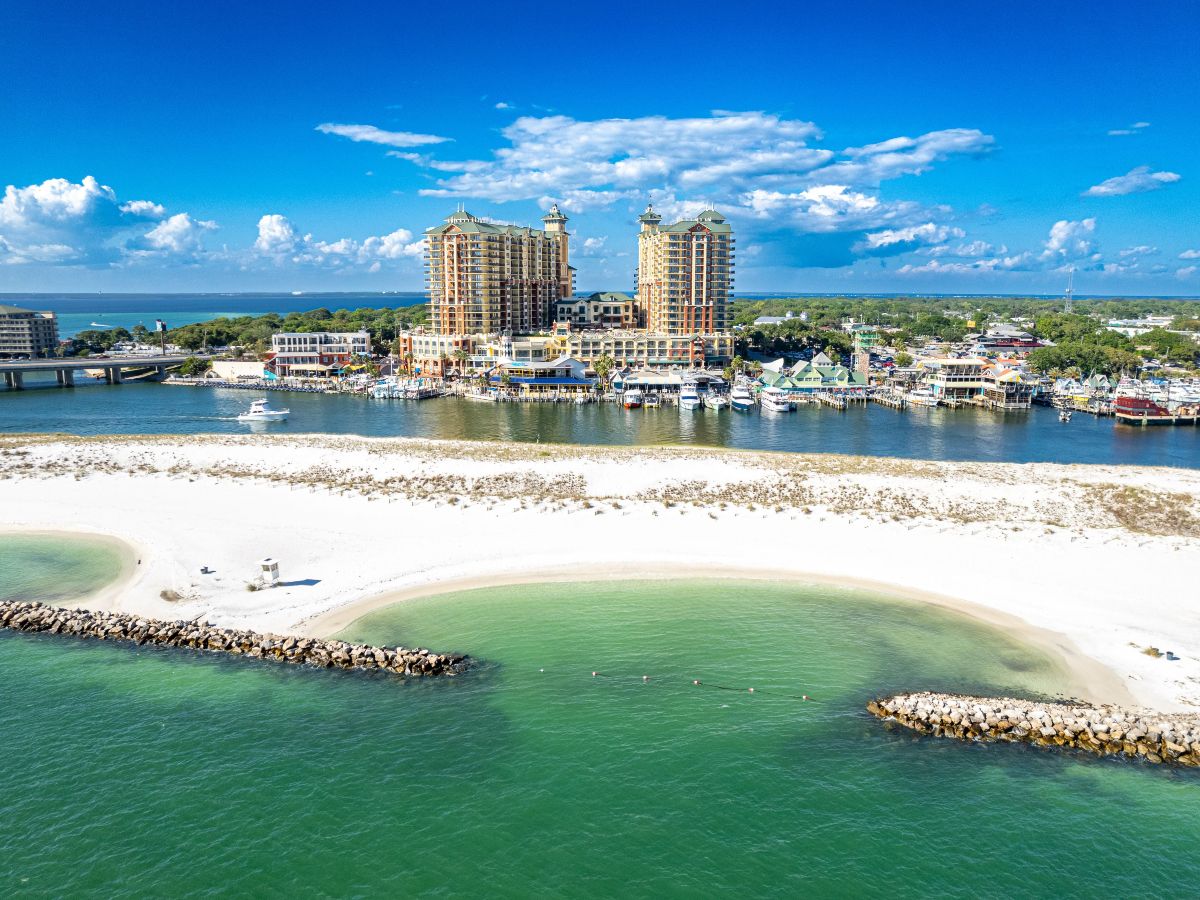
This sandy peninsula provides a calm environment for wading and observing harbor boat traffic after snorkeling the jetties.
Destin Harbor Boardwalk
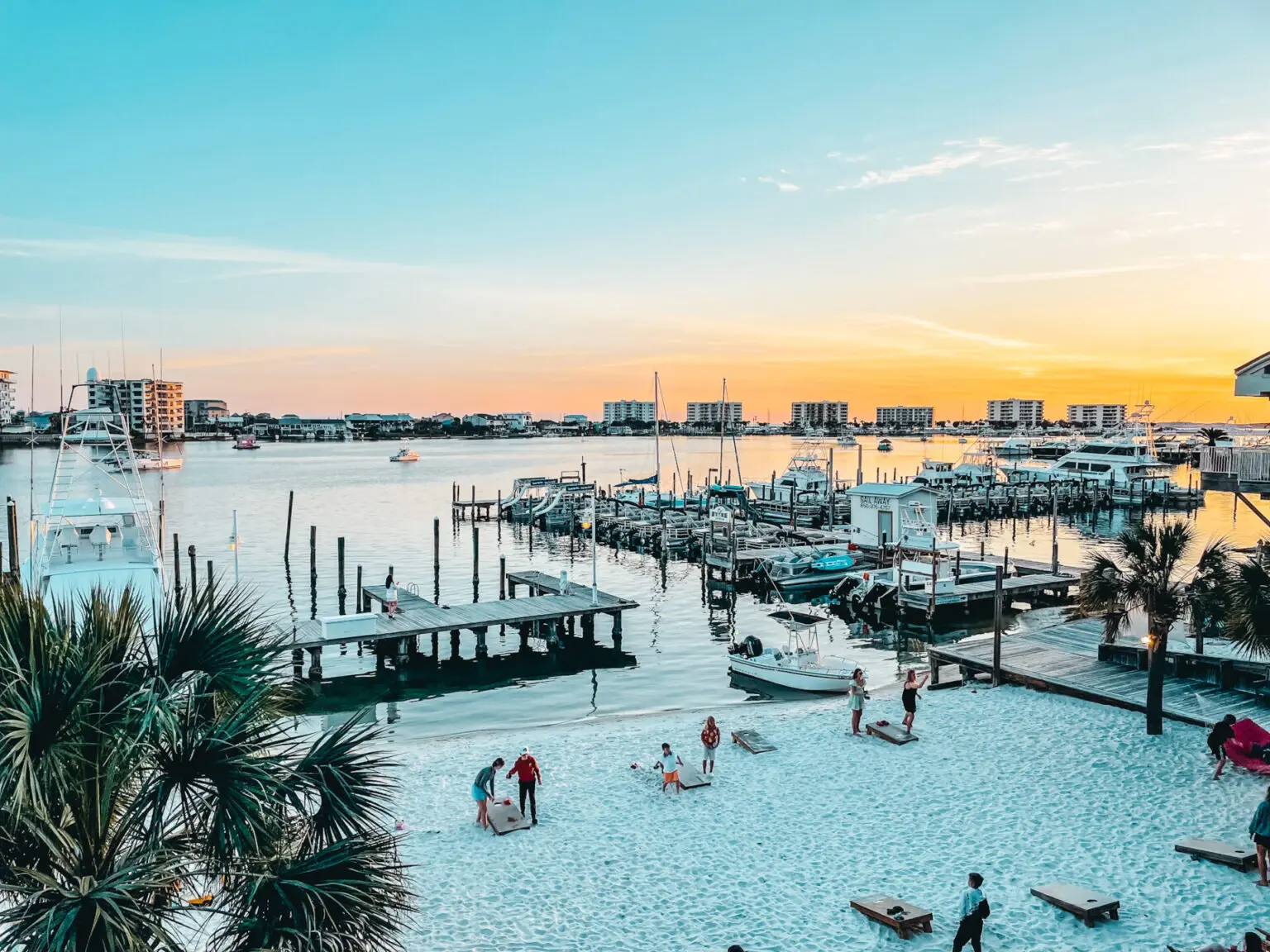
Located along the waterfront, this area features numerous dining and viewing options that complement a morning at the beach.
Henderson Beach State Park
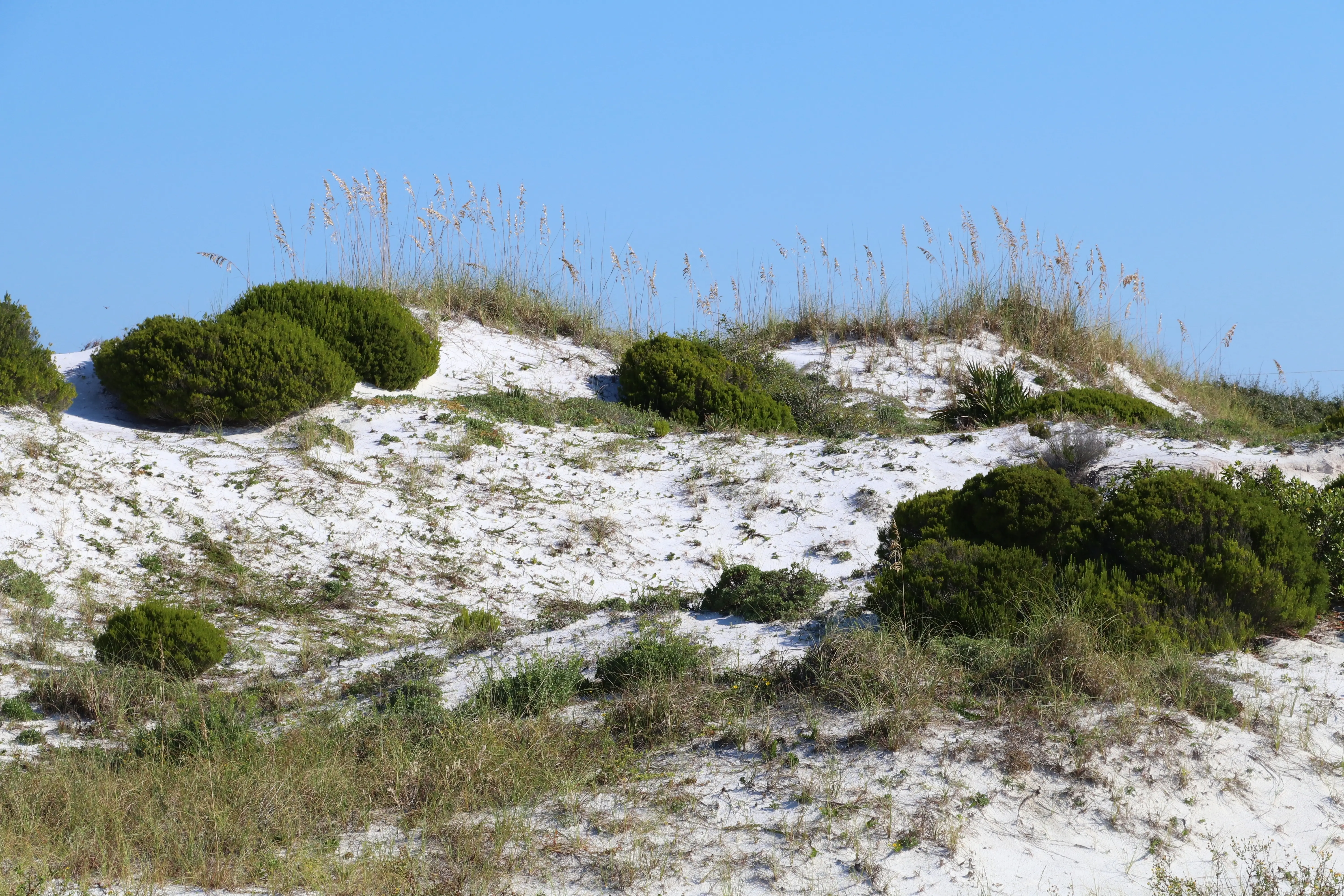
This park offers extensive hiking trails and natural dunes, providing a quieter landscape transition after the active jetty environment.
Check availability
Frequently asked questions about snorkeling destin jetties
Everything you need to know about snorkeling destin jetties